Hello! As a dentist dedicated to tooth preservation, I often tell my patients that a single visit to my office can be the best investment they’ll ever make.
Some people think, “Does my dentist suggest a cleaning just to make a quick buck?” Actually, it’s quite the opposite. Consistent professional cleanings are the only way to prevent spending the price of a luxury SUV on full-mouth reconstructions later in life. In the U.S., where dental work can be a major out-of-pocket expense, prevention isn’t just about health—it’s about financial survival.
1. Why Gum Disease is Known as the “Silent Killer”
The most heartbreaking cases I see are patients who say, “I had no pain, but suddenly my tooth is loose.” Unlike a cavity, which usually warns you with a sharp sting or sensitivity, gum disease (periodontitis) is stealthy.
When plaque—that sticky film of bacteria—isn’t removed, it hardens into calculus (tartar). This tartar doesn’t just sit on the surface; it migrates under the gumline, triggering an immune response that eventually dissolves the alveolar bone supporting your teeth.
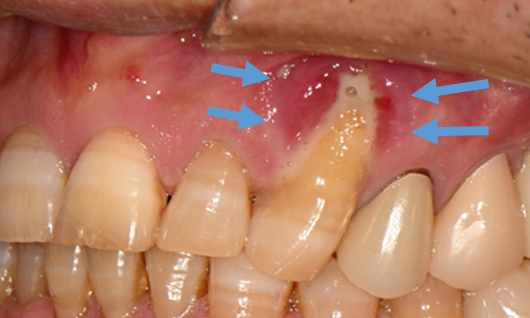
The terrifying part? You might lose 50% of your bone support without ever feeling a “toothache.” By the time you feel discomfort, the tooth is often unsalvageable. This is why we call it the Silent Killer.
2. Scaling: A 15-Minute Investment for a $10,000 Return
Consider the cost of a single dental implant in the U.S., which can range from $3,000 to $6,000 including the crown. If your gum health collapses, requiring multiple implants or full-arch bridges, your bill can easily climb to $30,000 or more.
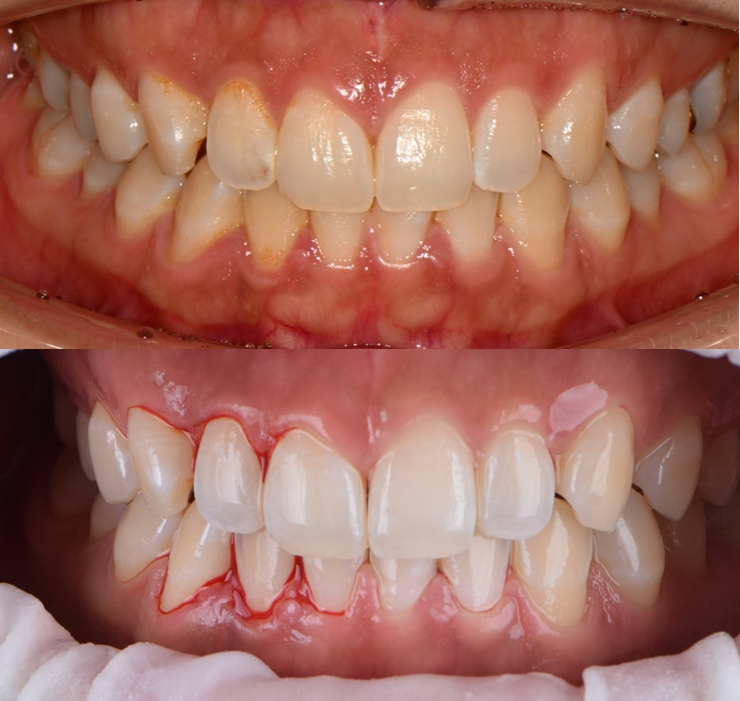
A professional cleaning (scaling), however, usually takes only 20 to 30 minutes and provides:
- Calculus Removal: Eliminates the hardened tartar that no toothbrush can touch.
- Inflammation Control: Reduces gum swelling and stops the bleeding that leads to bone loss.
- Natural Tooth Preservation: The most effective way to keep your original teeth for a lifetime.
3. Navigating Dental Costs in the U.S.
Unlike countries with universal dental coverage, the U.S. system requires a proactive approach. However, there are ways to make prevention affordable:
- PPO Insurance: Most dental plans cover two cleanings per year at 100% (preventive care). If you have insurance, not using these benefits is essentially throwing away money you’ve already paid in premiums.
- Dental Savings Plans: If you are uninsured, many clinics offer “In-House Membership Plans” that provide annual cleanings and exams for a flat yearly fee, often saving you 30-50% compared to pay-per-visit rates.
- The “Birthday Rule”: Pick a date—like your birthday or the start of the year—to schedule your cleaning. Consistency is what keeps the “Silent Killer” at bay.
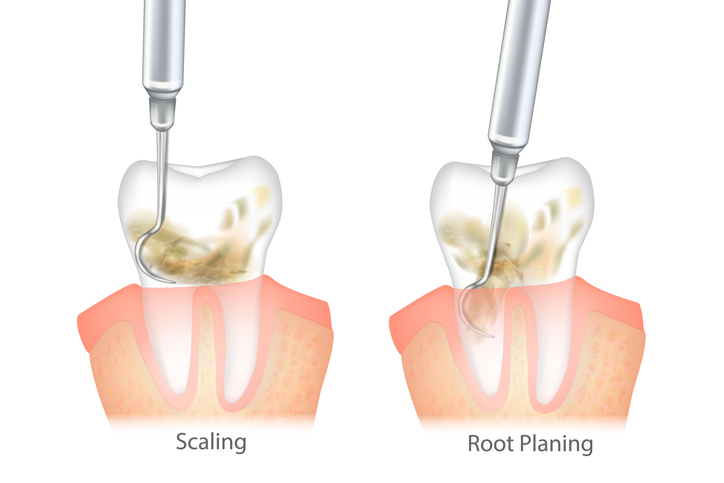
4. Beyond the Surface: Deep Cleaning (Scaling & Root Planing)
Sometimes, a standard cleaning isn’t enough if tartar has already reached deep into the pockets of your gums. In these cases, we perform Periodontal Therapy:
- Root Planing: Smoothing the tooth root surfaces to prevent bacteria from re-attaching.
- Subgingival Curettage: Removing infected tissue and deep-seated tartar from within the gum pocket.
Think of a standard cleaning as a “surface dusting” and Periodontal Therapy as a “deep industrial scrub.” While it costs more than a basic cleaning, it is still a fraction of the cost of oral surgery or implants.
https://www.pittsburghdentalimplants.com/2023/02/26/scaling-and-root-planing-a-comprehensive-guide/
5. “Will Scaling Thin My Teeth?” (Debunking the Myth)
This is the most common concern I hear. The answer is a definitive No. Scaling tools use ultrasonic vibrations to shatter brittle tartar; they are not strong enough to “sand down” your incredibly hard tooth enamel.
If your teeth feel “gappy” or sensitive after a cleaning, it’s because the tartar that was acting like “fake bone” is gone, allowing your gums to finally breathe and heal. This sensitivity is a sign that your mouth is returning to a healthy state.
Final Thought: Protect Your Future Assets
In my years of practice, I’ve noticed one thing: the patients who prioritize the basics are the ones who smile the most in their 70s. Thorough brushing, daily flossing, and a professional cleaning every six months are the simplest ways to save tens of thousands of dollars. If you haven’t seen a dentist this year, make the call today. That one appointment is the best insurance policy for your health and your wallet.
[Related Reading]
Disclaimer: This post is for informational purposes only. For an accurate diagnosis, please visit a licensed dental professional for a comprehensive exam.