So, you’ve finished your root canal. The pain is gone, and you’re feeling relieved. But then your dentist says, “Now, we need to schedule your crown.” You might be thinking, “It doesn’t hurt anymore, do I really need to spend more money on a crown?”
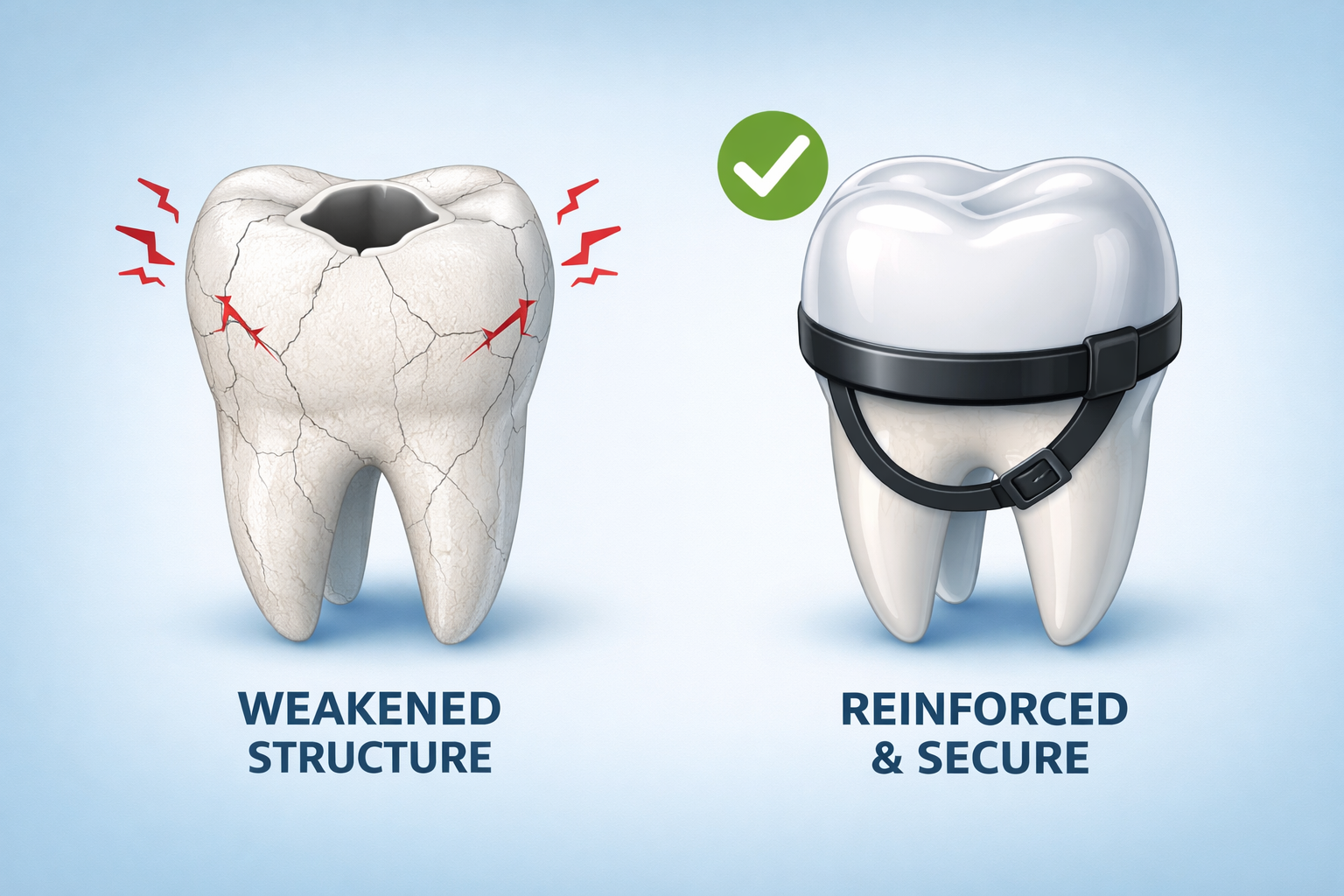
Figure 1. Schematic diagram of tooth reinforcement with crown restoration
The short answer is: Yes. In fact, skipping the crown is like buying a luxury car and refusing to put a roof on it. Today, we’ll discuss why a crown is a non-negotiable “insurance policy” for your tooth and how it saves you thousands of dollars in the long run.
1. The “Brittle Tooth” Reality
A tooth that has undergone a root canal is no longer “alive.” During the procedure, the dental pulp—which contains blood vessels and nerves—is removed. Without this blood supply, the tooth becomes dehydrated and brittle over time.
The “Dry Branch” Analogy: Think of a living tree branch versus a dry, fallen one. The dry one snaps easily under pressure. Your tooth becomes that dry branch after a root canal.
Structure Loss: To perform a root canal, your dentist must create an opening in the center of the tooth. This naturally weakens the structural integrity of the enamel walls.
2. The High Cost of “Saving Money”
In the U.S. and globally, dental costs are a major concern. However, trying to save $1,000 on a crown today often leads to a $4,000 implant tomorrow.
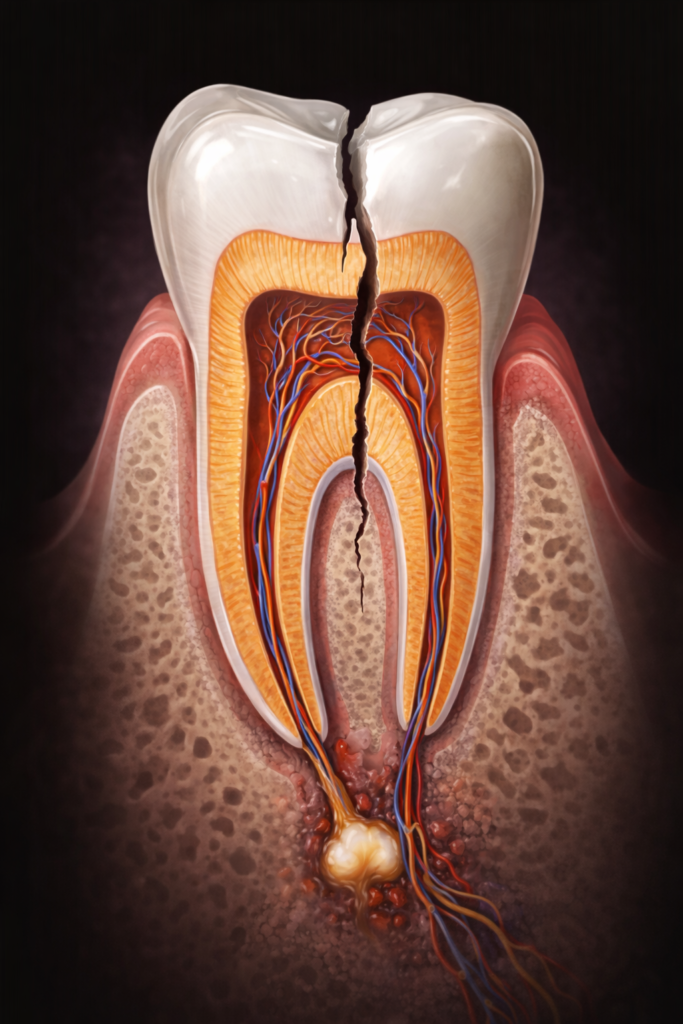
The Vertical Split: Without a crown to “hug” the tooth together, the biting force can cause the tooth to split vertically down to the root. Once a tooth splits this way, it cannot be saved. It must be extracted.
Figure 2. Vertical root fracture (Split tooth)
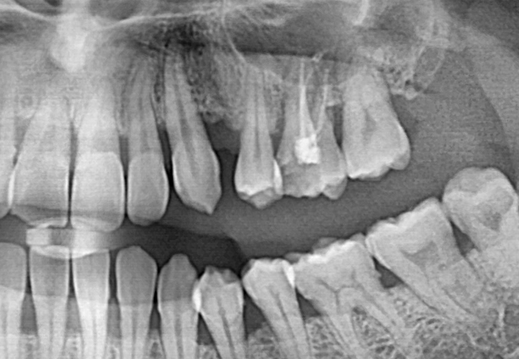
The Reinfection Risk: Temporary fillings can leak. If bacteria seep back into the sterilized canals, you’ll face a “Retreatment,” which is often more expensive and complicated than the first root canal.
Figure 3. Re-infection due to secondary caries in the absence of crown restoration
3. Quality Matters: Zirconia vs. Low-Cost Alternatives
Not all crowns are created equal. When choosing a clinic, don’t just go for the lowest price.
Premium Materials: High-quality clinics use premium blocks like Ivoclar Zirconia. These materials offer superior fracture resistance and a more natural look.
The Precision Fit: A cheap, poorly fitted crown creates a “micro-gap” where bacteria thrive. Investing in a crown with high marginal integrity is the only way to prevent Secondary Caries (new cavities) from forming under the restoration.
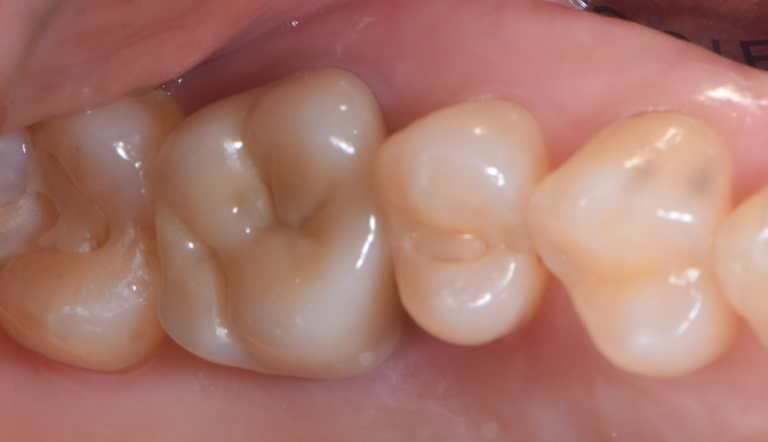
Figure 4. Example of zirconia crown restoration
4. Comparison: Crowned vs. Non-Crowned Teeth
Clinical studies show that teeth with root canals but no crowns are 6 times more likely to fail within five years compared to those that received proper restorative care.
Feature
Root Canal ONLY
Root Canal + Crown
Biting Strength
Extremely Weak
Restored to 90%
Fracture Risk
Very High
Minimal
Longevity
Short-term (1-2 years)
Long-term (10-15+ years)
Total Cost
Cheaper now, 3x more later
One-time investment
If you are already experiencing the symptoms of a cracked tooth discussed in the previous post, we strongly recommend that you complete crown treatment before it is too late.
5. Frequently Asked Questions (FAQ)
Q: Does it hurt to get a crown?
No. Since the nerve is already removed, you won’t feel anything in the tooth itself.
Q: Can I wait a few months?
While you can wait a week or two, every meal you eat without a crown increases the risk of a catastrophic fracture.
Conclusion
A root canal saves your tooth from infection, but a crown saves your tooth from breaking. If you want to keep your natural smile and avoid the surgical trauma of extractions and implants, getting a high-quality crown is the smartest financial and health decision you can make.
Have questions about your recent dental work? Leave a comment below, and I’ll help clarify your options.